
Loading...
Serving Pacific Grove, CA and surrounding areas. (831) 340-7326
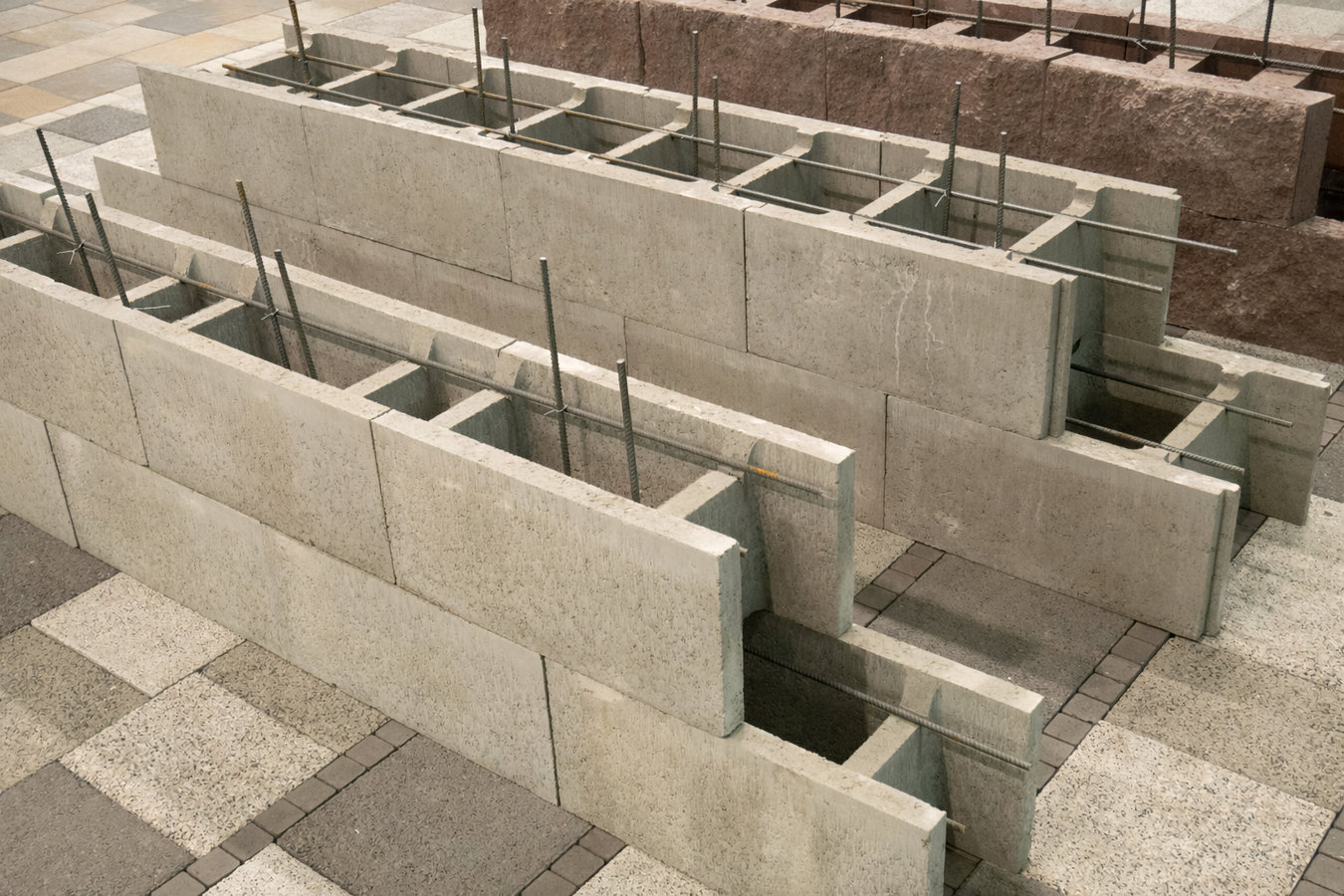
Pacific Grove sits in earthquake country with salt air on three sides. A foundation block wall here needs the right reinforcement, the right materials, and a contractor who knows the local permit process - so your home is protected for decades, not just until the next tremor.
Foundation block wall installation in Pacific Grove means building or replacing the structural concrete masonry unit walls that form the base of your home - most residential projects run three to ten days of active construction once permits are in hand, with a total timeline of four to eight weeks from first call to completed, inspected wall.
Pacific Grove's residential neighborhoods are dominated by homes built between the 1890s and the 1950s - many on original foundations that predate modern earthquake standards. When those walls crack, lean, or let moisture in, you need a contractor who understands both the structural demands of California seismic code and the material challenges of building near salt air and persistent coastal fog. Foundation block wall installation here is not a generic job - it involves site assessment, corrosion-resistant materials, permit management, and reinforcement detailing that a contractor from drier inland California may not think to specify.
This work often pairs with outdoor kitchen masonry on properties where both the foundation and the backyard structures need attention - we assess everything together so the work is sequenced correctly. For properties where the foundation issue traces back to broader structural concerns, our foundation repair service covers the diagnostic and remediation work that sometimes precedes new wall installation.
Diagonal cracks - especially ones wider at one end than the other - are one of the clearest signs a foundation wall is under stress. In Pacific Grove, these often appear after a wet winter when saturated soil expands and pushes against the wall. If you can fit a quarter into the crack, it is time to have a professional evaluate it.
Stand back and look at your foundation wall from a distance. If it curves or tilts inward rather than standing straight, the wall is being pushed by soil pressure and has begun to move. This is more common in Pacific Grove's older homes, which were built without the steel reinforcement that modern construction requires. A leaning wall will not fix itself.
White, chalky deposits on a block wall are caused by water moving through the wall and leaving mineral salts behind. In Pacific Grove's damp coastal climate, this is a common early warning sign that moisture is getting in where it should not. Left unaddressed, persistent water infiltration will weaken the mortar joints and eventually compromise the wall's structure.
When a foundation wall shifts, the rest of the house shifts with it - and one of the first places you will notice this is in doors and windows that suddenly stick, will not latch, or show gaps at the corners. This is especially worth paying attention to in Pacific Grove's older Victorian and Craftsman homes, where original foundations have had decades of seismic activity and moisture exposure.
Every project starts with a site visit - not a phone estimate. The soil your foundation sits on determines how well the wall will hold up over time. In areas with unstable, expansive, or sandy coastal soil, the ground can shift with moisture changes, and a wall built without accounting for that will crack within a few years. We assess drainage conditions, existing wall integrity, and seismic considerations before recommending an approach. When the work involves both foundation walls and broader structural masonry on the property, we coordinate with our outdoor kitchen masonry scope so the sequencing makes sense and the site is not disrupted twice.
For Pacific Grove homes where the problem is not a full replacement but a failing existing wall, our foundation repair service handles stabilization, crack injection, and targeted patching that avoids the cost of a complete rebuild. The California Contractors State License Board provides a free online tool to verify any contractor's license before you sign a contract - worth using for any structural foundation job.
For properties adding living space, building on a sloped lot, or replacing a failed original foundation with a properly reinforced CMU wall.
For older Pacific Grove homes where the existing block wall lacks the steel reinforcement California's current earthquake standards require.
For homes where the original foundation has deteriorated past the point of practical repair - common in Pacific Grove's pre-1960 housing stock.
For all projects near Monterey Bay where standard reinforcement and mortar must be upgraded for salt-air exposure to prevent premature corrosion.
For Pacific Grove properties where soil moisture and winter rainfall make water management around the base of the wall as important as the wall itself.
For homeowners who need the city's Community Development Department permit pulled, managed, and inspected without navigating the process themselves.
Pacific Grove sits directly on Monterey Bay, and the salt-laden marine air here is harder on building materials than most homeowners realize. Standard steel reinforcement and certain mortar mixes can corrode faster in this environment than they would just 20 miles inland. Add the seismic exposure - the Monterey Peninsula is close to the San Andreas Fault and several smaller faults - and foundation work here carries requirements that simply do not apply in lower-risk parts of California. The reinforcement requirements are more demanding, the material specifications are stricter, and the city's permit review is more involved as a result. Homeowners in Monterey and Seaside face the same conditions and need the same level of care.
Pacific Grove's older housing stock also means more replacement work than new construction. Homes built in the 1890s through the 1950s - which make up a large share of the city's residential neighborhoods - were built on foundations that predate modern earthquake standards. When you open up an old foundation, it is common to find rotted sill plates, previous patch jobs that did not hold, or drainage problems that have been quietly doing damage for years. Pacific Grove averages over 20 inches of rain annually, and the persistent fog adds moisture to the soil even during dry months - making drainage provisions around a new wall as important as the wall itself. A well-built installation here accounts for all of that, not just the concrete and steel.
We respond to all inquiries within one business day. Before giving any estimate, we visit the property to see the existing wall, assess soil conditions, and identify access requirements. A phone quote without a site visit is not accurate for structural foundation work.
For structural foundation work in Pacific Grove, we submit the permit application to the city's Community Development Department before any work begins. This typically adds one to three weeks to your start date - we manage the process and keep you updated so you are never chasing the city yourself.
The crew clears the area, sets a concrete footing, and then lays block courses with steel rods in the hollow cores filled with concrete as they go. Construction typically runs three to ten days for a standard residential wall - work is methodical, not rushed, because rushing produces cracking.
The city inspector visits before any backfill or load is placed against the wall. After inspection, we complete drainage provisions and grading. The final walkthrough covers what to monitor, what the wall needs during the curing period, and any warranty documentation in writing.
Free written estimate. We handle the Pacific Grove permit process from application to final inspection. No surprises on timeline or cost.
(831) 340-7326Foundation walls on the Monterey Peninsula require seismic detailing that contractors from outside the region often underestimate. We have built and replaced walls on Pacific Grove's older residential properties, where the combination of aging housing stock, coastal soil, and proximity to active faults demands specific reinforcement and material decisions that a general masonry contractor may not make by default.
Standard steel reinforcement and mortar mixes are not appropriate for a location this close to Monterey Bay. We specify corrosion-resistant materials and coastal-rated mortar on every foundation project in Pacific Grove - not as an upgrade, but as the baseline. The Mason Contractors Association of America sets the professional standards we follow for material selection and installation quality.
The City of Pacific Grove's permit and inspection process for structural foundation work adds time to every project - but it also protects you. We submit the application, communicate with the city's Community Development Department, and schedule the required inspection. You never have to navigate that process on your own or wonder where the permit stands.
Opening up an older foundation in Pacific Grove often reveals surprises - rotted sill plates, previous informal repairs, or drainage problems that were not visible from the surface. We communicate everything we find before changing the scope, provide written change orders, and build contingency expectations into our initial conversations on older homes so you are not blindsided mid-project.
Foundation work is the most consequential masonry job on any property - mistakes are not cosmetic, they are structural. We combine local knowledge of Pacific Grove's permit process, coastal material requirements, and seismic design standards to deliver a wall that holds up to what this environment demands.
Permanent masonry outdoor kitchens built with brick, stone, or block - custom grill surrounds, countertops, and cooking structures for Pacific Grove backyards.
Learn MoreStabilization, crack injection, and targeted patching for existing foundations that are failing but do not yet require full wall replacement.
Learn MorePacific Grove's permit process adds time to every structural job - the sooner you reach out, the sooner your home is protected. Contact us today.