
Loading...
Serving Pacific Grove, CA and surrounding areas. (831) 340-7326
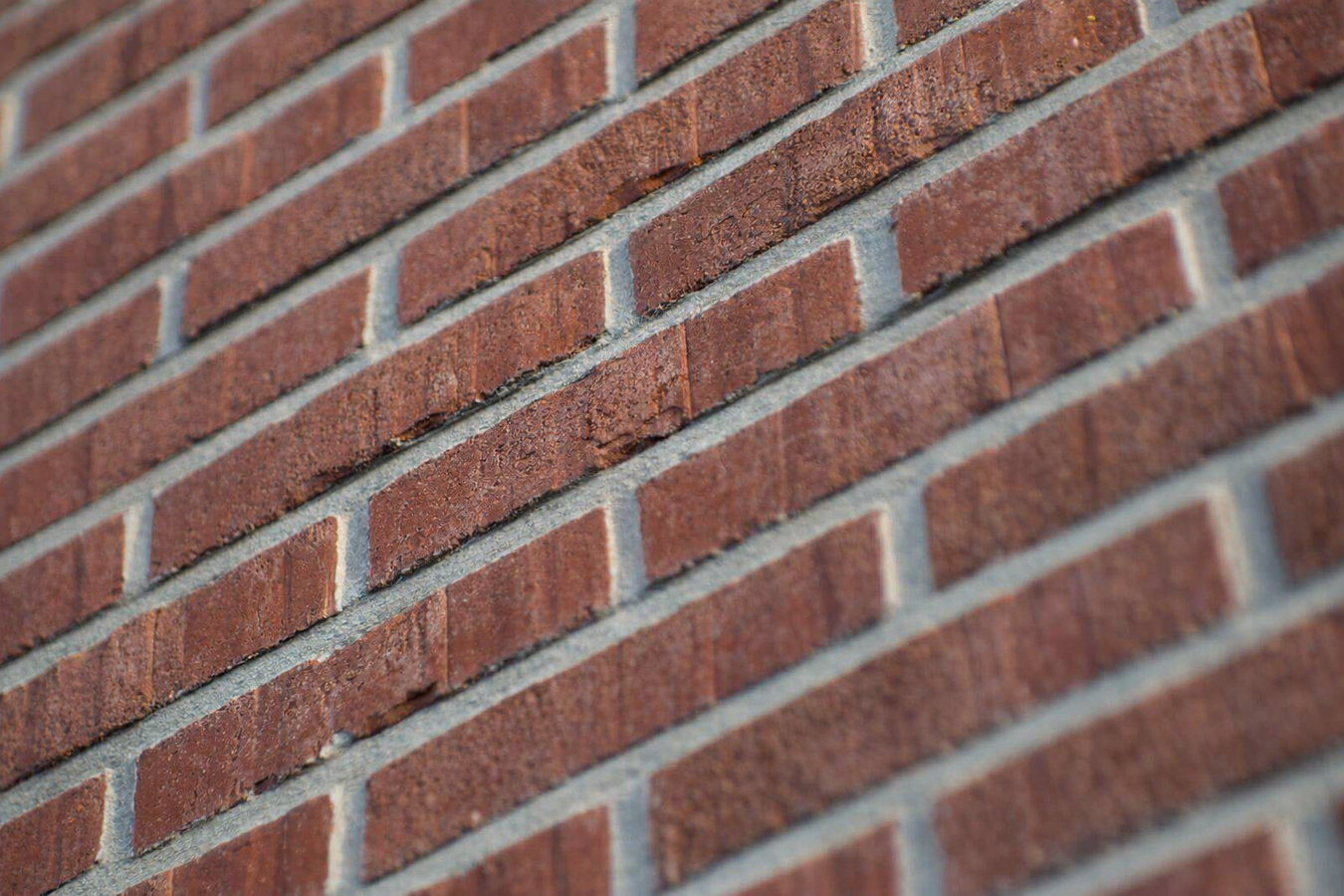
Crumbling mortar is how water gets into your walls. We remove the failed material, pack in fresh mortar matched to your brick type and the coastal conditions here, and tool the joints so they shed water - not collect it.
Brick pointing in Pacific Grove is the process of grinding out deteriorated mortar between bricks and packing in fresh material - a chimney or small wall section typically takes one to two days, with the mortar needing 24 to 48 hours to dry before it should get wet.
The mortar joints between your bricks are the first line of defense against water getting into your walls. When they crumble away - which happens faster here than in a drier inland city because of Pacific Grove's salt air and persistent fog - moisture finds its way behind the brick and starts doing damage that is much more expensive to fix later. Catching failing mortar early, when it is just the joints and not the bricks themselves, is almost always far cheaper than waiting. For homeowners dealing with deeper structural issues behind the wall, our foundation repair service addresses the underlying structure when pointing work alone is not enough.
Pointing is closely related to broader masonry maintenance. For older Pacific Grove homes where the brick itself has also started to crack, chip, or deteriorate, our masonry restoration service covers the full scope of repairs needed to bring an aging structure back to sound condition - not just the mortar joints.
Run your finger along the mortar lines on your brick wall or chimney. If the material crumbles away easily, feels soft, or you can see visible gaps where mortar used to be, that is a clear sign it is time for pointing work. Solid mortar should feel firm and intact - you should not be able to push your finger into the joint.
A chalky white residue on your bricks - called efflorescence - is a sign that water is moving through the wall and carrying mineral salts to the surface. In Pacific Grove's damp coastal climate, this is a common early warning sign that moisture is getting in through failing mortar joints. It is not an emergency on its own, but it tells you the wall's waterproofing is starting to break down.
If you have a brick exterior wall and you are seeing water stains, damp patches, or peeling paint on the inside of that same wall, moisture is likely getting through. Pacific Grove's persistent fog and rain give water many opportunities to find its way through compromised joints, so interior dampness near a brick wall is worth investigating from the outside.
Many of Pacific Grove's older Victorian and Craftsman homes have original mortar that is now 80 to 120 years old. Even well-made mortar from that era has a finite lifespan, and if no one has ever repointed the walls, there is a good chance the joints are overdue. You do not need to see obvious damage to justify an inspection - age alone is a reasonable trigger.
Every pointing job starts with a site visit to assess the depth of mortar deterioration, the type and age of the brick, and how the structure is positioned relative to weather and moisture exposure on your specific lot. That assessment determines the mortar mix we use - and getting the mix right matters more for an older home in Pacific Grove than anywhere else. Bricks from the Victorian and Craftsman era are softer than modern brick, and they need a softer, more flexible mortar. Using a modern hard mix on an old brick wall transfers stress into the bricks themselves, which is how you end up with spalled, chipped faces after a repair that was supposed to fix things. Our foundation repair service handles cases where mortar failure has allowed moisture to reach the underlying structure and more than joint replacement is needed.
The actual pointing process involves grinding or chiseling out the old mortar to the correct depth - typically three-quarters of an inch - packing in fresh material in layers, and tooling the surface so it sheds water rather than collecting it. That final tooling step is what separates a joint that lasts 20 years from one that fails in five. For homes where the brick itself has deteriorated alongside the mortar, our masonry restoration service covers the broader scope of repairs needed to return the whole structure to sound condition. The Brick Industry Association publishes detailed technical guidance on mortar selection, joint profiles, and repointing best practices for different brick types.
For chimneys where the mortar joints have cracked or pulled away from the brick, allowing water to enter around the flue and into the ceiling below.
For brick home exteriors where failing mortar is allowing moisture to reach interior wall cavities - addressed before the water damage requires a much larger repair.
For Pacific Grove homes built before 1940, where mortar strength, color, and joint profile must be matched to the original construction to protect the brick and preserve the home's character.
For decorative or boundary brick walls where coastal moisture and time have eroded the joints but the bricks themselves are still sound.
For walls where only specific sections have deteriorated - often the north-facing or ocean-facing sides that receive the most weather exposure.
For older Pacific Grove homes where a full inspection reveals multiple areas of joint failure - we assess and prioritize so the repair sequence protects the most vulnerable sections first.
Pacific Grove is one of the foggiest spots on the Monterey Peninsula, with marine layer conditions common even in summer. That near-constant dampness means mortar joints that have even small gaps are almost always wet, which speeds up deterioration and can push moisture into wall cavities. On top of that, salt particles carried in the marine air work their way into tiny cracks in mortar joints - and as they expand and contract with moisture changes, they widen those cracks from the inside. This is a well-documented effect in coastal environments, and it is the reason brick walls in Pacific Grove need closer attention than the same wall would in an inland city. For homeowners in Seaside and neighboring coastal communities, we apply the same coastal-specific mortar approach to every project.
Pacific Grove also has a significant number of homes built in the late 1800s and early 1900s, many of which are in or near the city's historic districts. Older bricks from that era are softer than modern bricks, and they require a mortar mix that is softer and more flexible to match. A contractor who uses a standard modern mix on a Victorian-era wall is making a mistake that can crack the brick face within a few years. If your home predates 1950, the mortar selection conversation should happen before any work begins - and your contractor should be able to explain exactly what they plan to use and why. We carry that same standard of care to projects throughout Carmel-by-the-Sea, where historic brick and stone structures require the same careful approach.
When you call or message us, we ask a few basic questions - what type of structure it is, roughly how large the area is, and whether you have noticed any specific damage. We respond within one business day and schedule an in-person visit to assess the scope accurately.
The mason walks around the structure, checks the mortar joints closely, and notes the age and type of brick. This visit usually takes 20 to 45 minutes. After the visit, you receive a written estimate covering scope, materials, and cost - we do not provide verbal-only quotes.
The crew grinds or chisels out old mortar to the correct depth. Expect the sound of angle grinders for much of the first day. Dust is normal - a good crew takes steps to contain it and protect surrounding surfaces before they start.
Fresh mortar is packed into the joints in layers and tooled to a water-shedding profile. The site is cleaned at the end of the job. New mortar looks lighter than the existing wall at first - this evens out as it cures over several weeks.
Send us a photo or give us a call and we will give you an honest answer - even if the answer is not yet.
(831) 340-7326We assess the brick before proposing a mortar mix. For Pacific Grove's older Victorian and Craftsman homes, that assessment determines everything - using a mix that is too hard for 19th-century brick causes cracking and spalling within a few years. We explain our selection before any work begins.
The Monterey Peninsula's marine environment is harder on masonry than most homeowners realize. We work on brick structures throughout Pacific Grove and the surrounding area and know which mortar formulations hold up against persistent coastal moisture and salt air. That experience is reflected in every quote we write.
California law requires masonry contractors to hold a valid state license. You can verify any contractor's license and complaint history on the California Contractors State License Board website. We carry our license as a baseline requirement - and it is publicly verifiable before you commit to any work.
After an in-person visit, you receive a written estimate that covers the scope of work, the mortar approach, and the cost. If your home is near the historic district and exterior review may apply, we flag that before you sign anything. No surprises once the crew shows up.
The Brick Industry Association and the Mason Contractors Association of America both publish technical standards on mortar selection, joint tooling, and repointing best practices. We work to those standards on every job, because good pointing work should still be holding up two decades from now - not needing replacement in five.
Structural repair for foundations where moisture intrusion through failed mortar joints has reached the underlying structure and pointing work alone is not sufficient.
Learn MoreFull-scope masonry repair for older Pacific Grove homes where brick deterioration, structural cracking, and joint failure require more than repointing to restore.
Learn MoreEvery gap in your mortar is an opening for Pacific Grove's winter weather. Call now for a free on-site estimate - we schedule pointing work well ahead of the wet season and spots fill up fast.